
It is a widely accepted notion that educated people make better choices. Irrespective of whether that assumption came through colonial baggage of racial chauvinism or our age-old caste system. The roots of such an assumption lie in our tradition of associating wisdom and wise choices with well-learned Rishis, sages, and Kings. Taking that as a premise for judgment, can’t it be assumed that, with the concept of ‘Universal Education’ being championed for the last half-century, the people of India, or to be specific, “We the People of India,” have evolved into better decision-makers?
Today, we have the ‘Right to choose’ who rules us and who represents us. But to exercise that right, we first need to understand a few things, such as.
- Who gets to exercise the ‘Right to Choose’?
- What options do we have?
- How do we choose our representatives?
- Is the ruler any different from the representative we choose?
- Does our participation even matter?
- What if our choice is not respected?
It would be expected that anyone who is educated is, by default, aware of all the answers to the above questions. But is the reality parallel to the expectations, or is it any different?
Education vs Political Participation
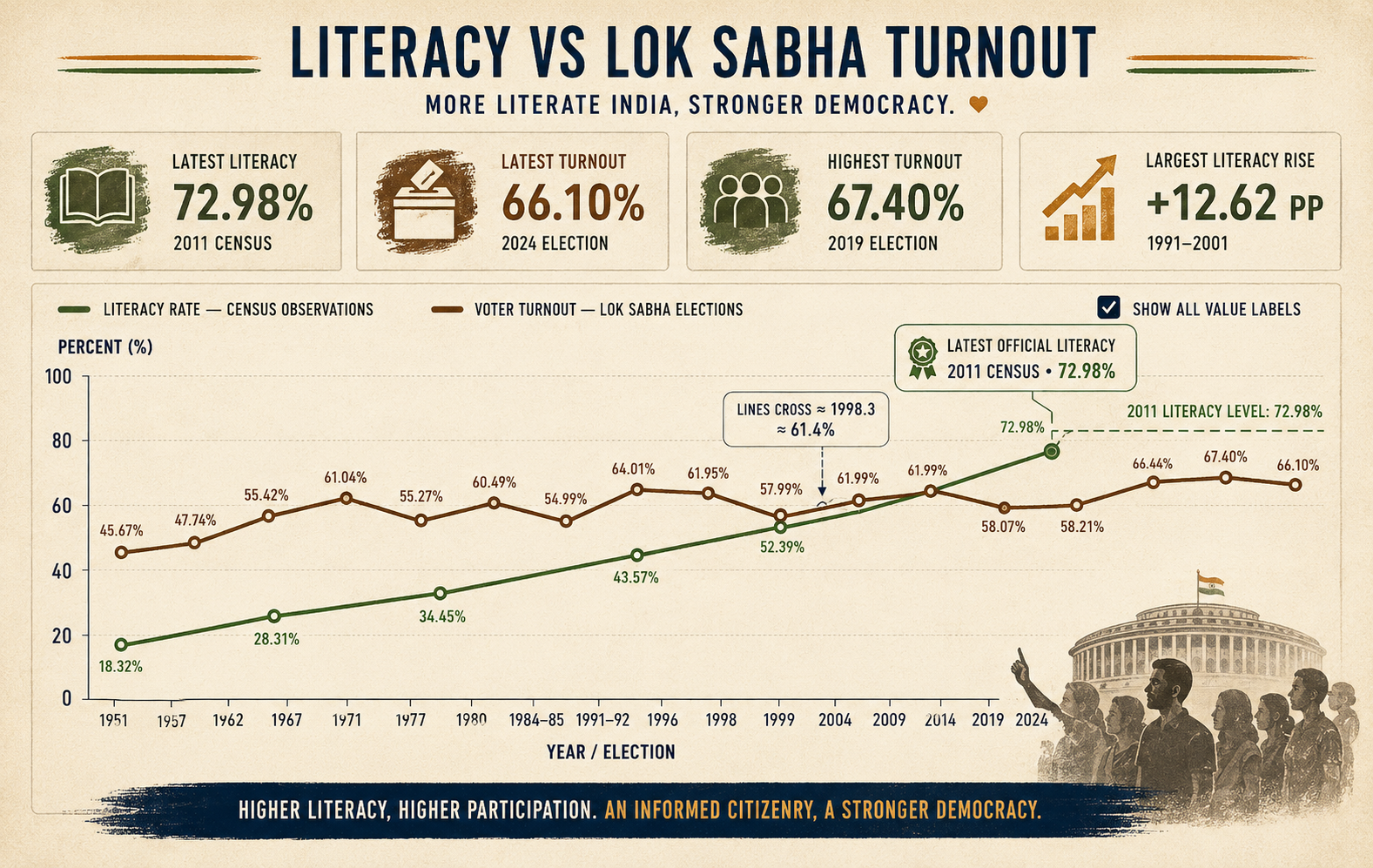
Before jumping into whether education has made us any wiser, we need to see how far literacy in India has come. Here, we shall compare our literacy rate and voter turnout over the past eight decades to determine whether people even understood the importance of the opportunity in their hands that came with our Independence.
India has witnessed a sixfold increase in its literacy rate, but only a relative stagnation in its voter turnout during this period. Does that ring any bells? Of course, the starting points for both these parameters were not the same. While the literacy rate grew from a mere 18% to 73%, voter turnout grew from 46% and then stalled at 60(+/-5 %) over approximately the same period. Despite the country’s progress towards a demographic dividend, the stagnation in voter turnout raises some serious questions. Moreover, if we look at women’s participation in both cases, the picture is rosy only after the 2000s.
Is education even important for political choices?
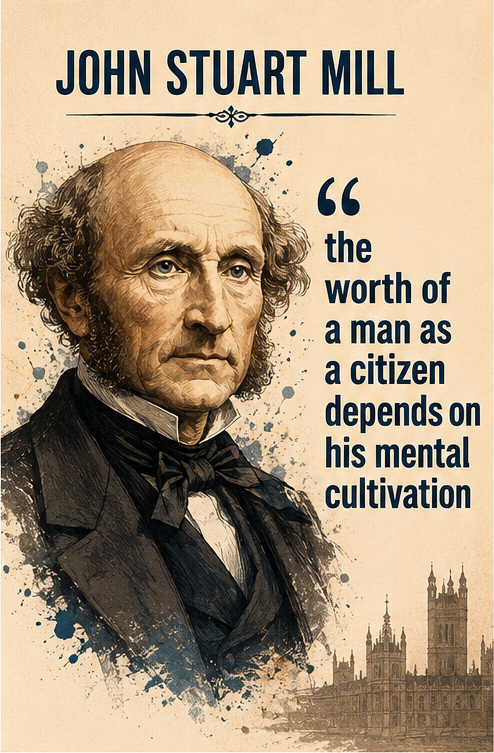
J.S. Mill, a famous English Political philosopher and proponent of ‘Liberal Democracy’, was once criticized for excluding colonies and illiterate populations from full participation in the democratic process. He tied democracy to education, calling colonial illiterate masses “domestic barbarians”. He asserted that their rise to power without a basic understanding of Polity posed a danger to civilization. However, the early Indian Nationalist leaders strongly criticized him for his elitist view.
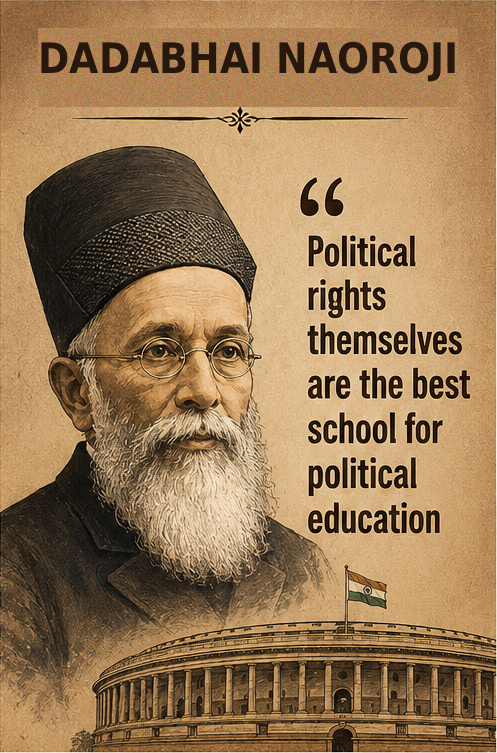
Dadabhai Naoroji, the “Grand Old Man of India” and one of the earliest moderate leaders of the Indian National Congress, believed that Political rights should be exercised before their importance is recognized, rather than the other way around. He claimed that Universal Adult Suffrage was not just a reward for literacy but also a means of achieving it.
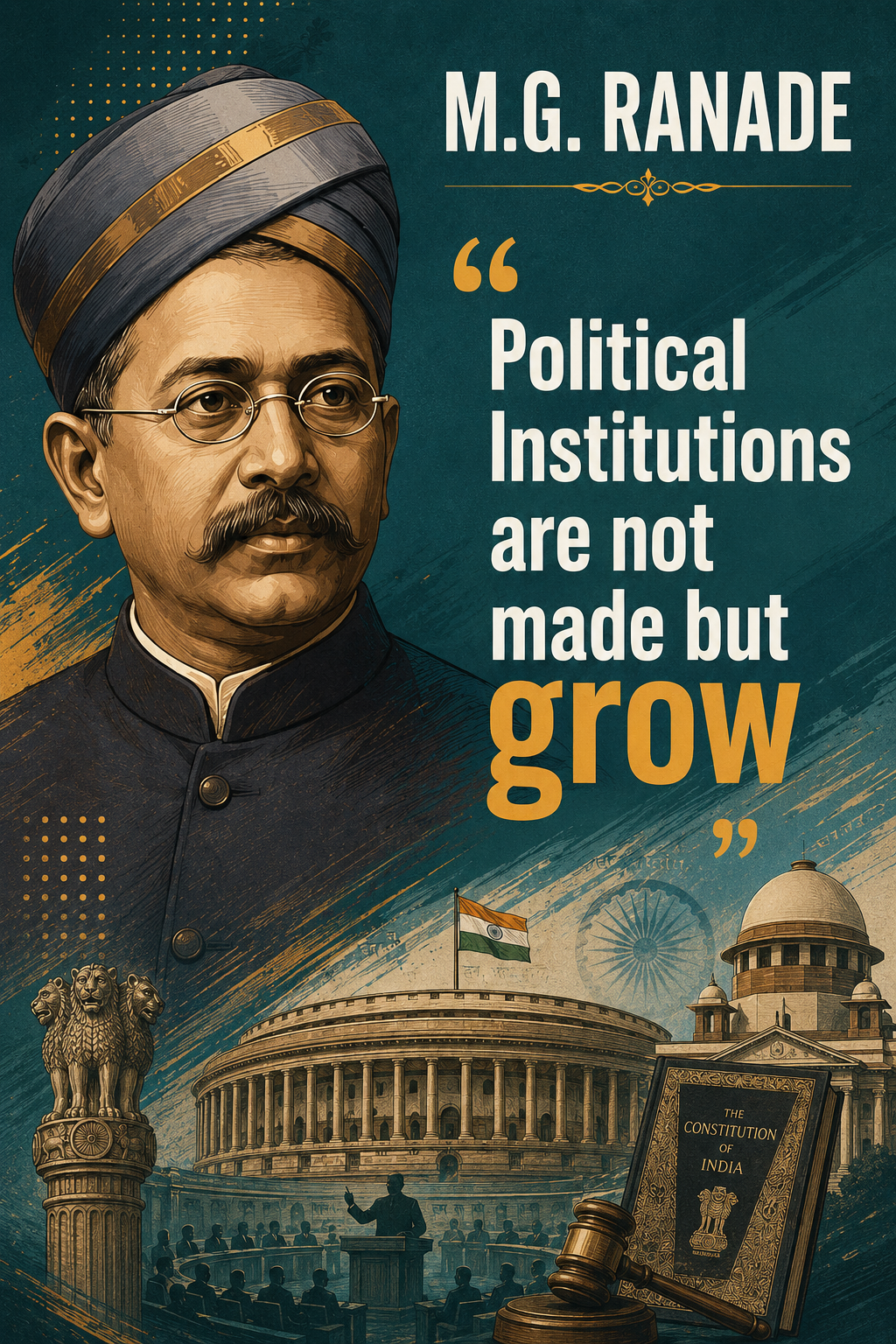
Mahadev Govind Ranade, a famous 19th-century social reformer and founder of Prarthana Samaj, argued that political institutions are not “manufactured” ready‑made, but grow organically with society. According to him, denying Indians participation in making the rules that govern them, simply because they were “not educated enough,” was tantamount to denying them the very means of becoming educated in civic responsibility. Moreover, he asserted that India’s indigenous self-rule institutions (panchayats) were evidence of these long-standing decision-making practices.
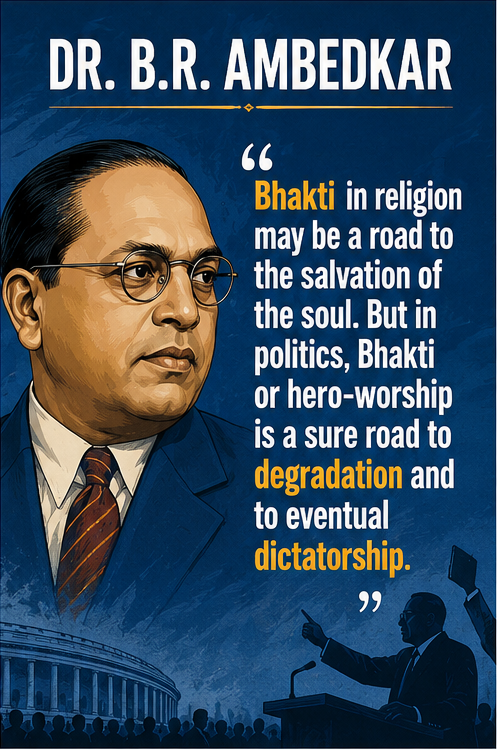
Despite opposition to Mill’s idea by the Indian Nationalist leaders, Dr B.R. Ambedkar, while defending the new Constitution at the Constituent Assembly in Nov 1948, invoked Mill’s caution against the surrender of liberties at the feet of Charismatic personalities, supported by ‘Hero-worship’, that override constitutional checks and balances. In short, he cautioned us against the “Bhakti of political leaders” because it is a sure path to degradation & eventually, dictatorship.
Now fast forward to 2026. Reflecting upon almost eight decades of Independence, what can we conclude? Was Mill correct, or were his critics? Does Ambedkar’s caution still hold any ground? The recent Gen-Z student protest helps us reflect on that.
Do Political leaders reflect People’s priorities?
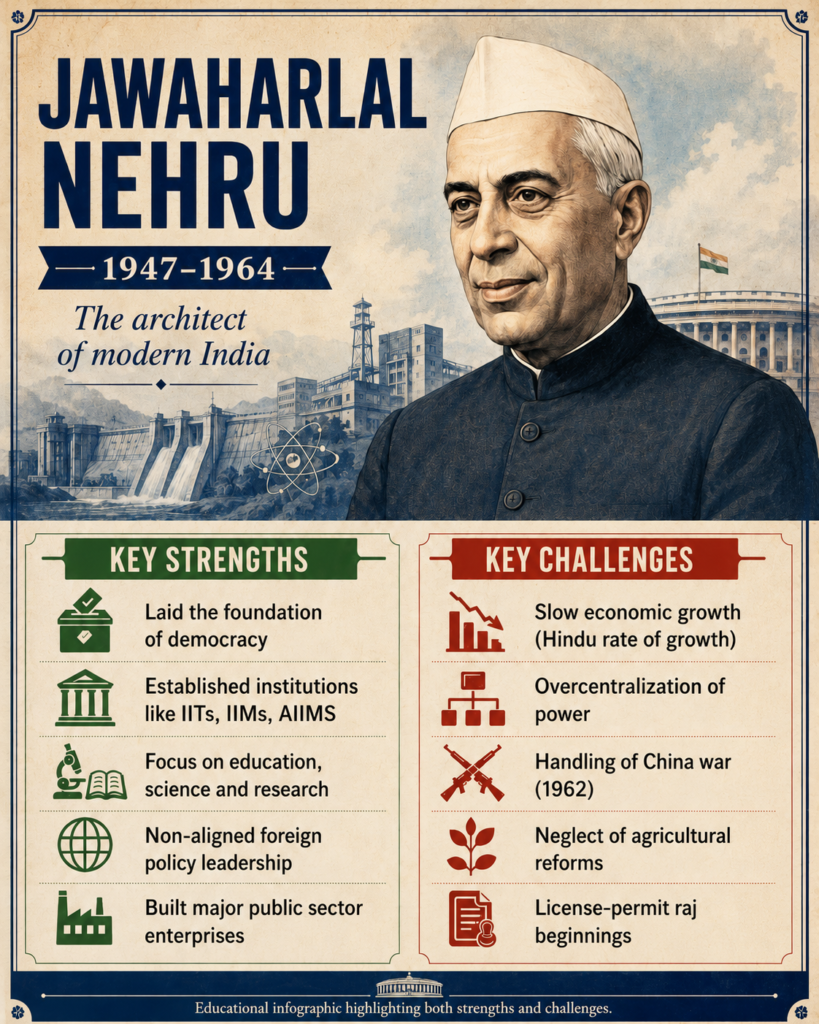
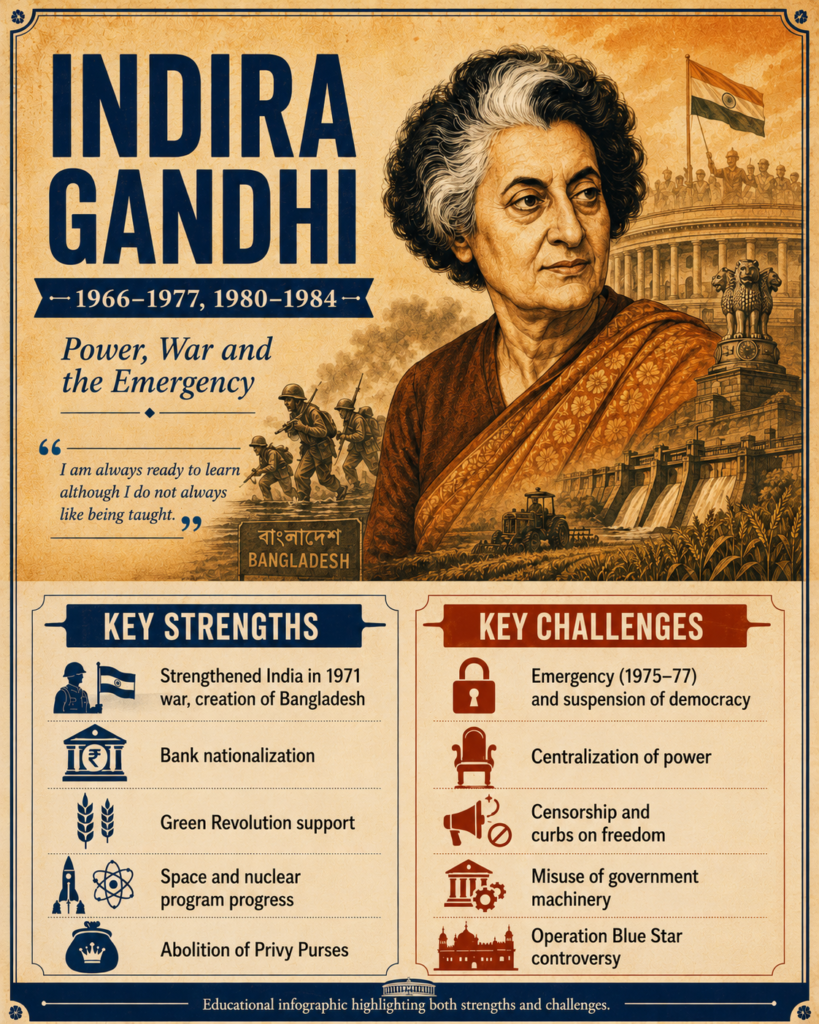
Under the Charismatic leadership of Jawaharlal Nehru & Indira Gandhi, Indians endured tough times of reform, drought, poverty, and National security threats. While Nehru is credited with building many independent Political and Educational Institutions, he is also criticized for not doing enough to strengthen India’s confidence in its own history, culture, and legacy. Similarly, while Indira was called the “Iron Lady” and a pioneer of the “Garibi Hatao” movement, she died burdened by the baggage of the National Emergency & Operation Blue Star.
But who cared about history and culture when the real struggle lay in finding two meals a day? The silent generation of the time fell for the very thing Ambedkar had cautioned against, i.e., “Hero-Worship.” There were a few regional parties that offered differing opinions. Power was concentrated with the PMO, which was also famously known as “The Kitchen Cabinet” during Indira Gandhi’s tenure. So, the choice of Charismatic leaders over diverse representative voices in Parliament led to the era of the National Emergency in 1975.
While the literacy rate was growing exponentially among the elite caste men, untouchability and discrimination based on caste and gender remained the backbone of the society till the late twentieth century. This was also reflected in how leaders were chosen and how the administration was run. Booth capturing, misuse of state machinery by the ruling party, electoral violence & intimidation to influence elections, etc., were common and accepted norms due to a lack of teeth in the Constitutional bodies meant to ensure neutrality. All this came down with the Emergency-induced political uprising post the Raj Narayan case in 1975.
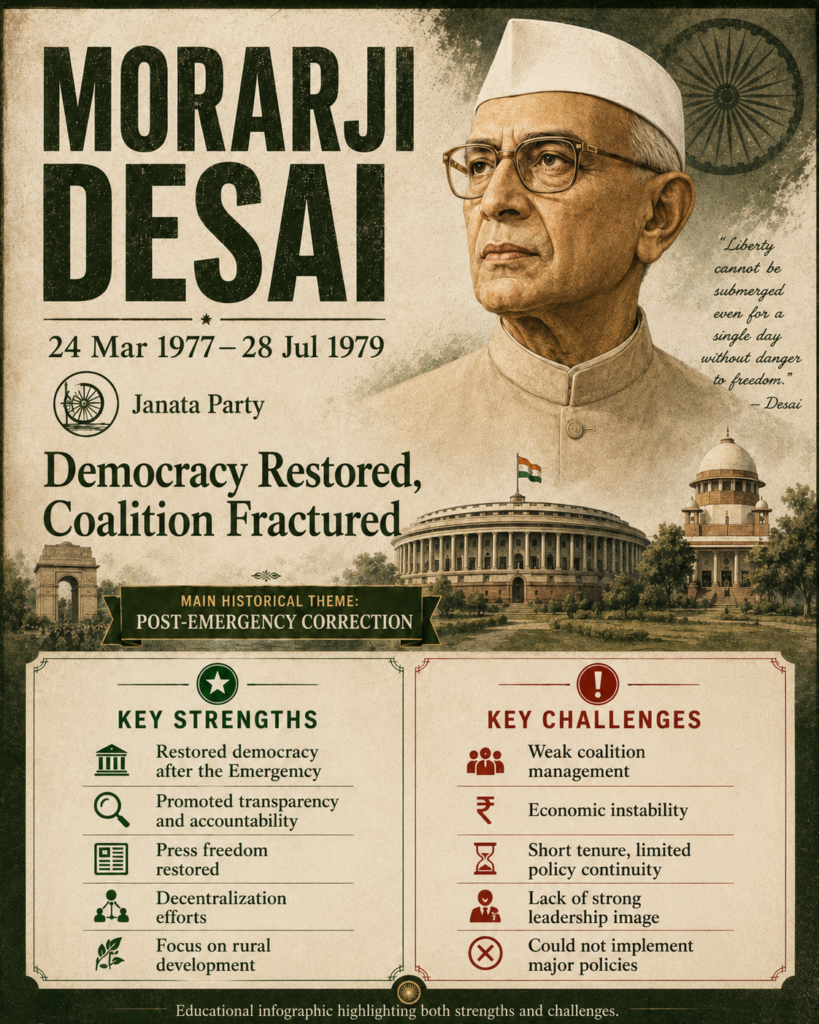
The generation that went against Ambedkar’s warning of “Political-bhakti’ was now jolted by Jayaprakash Narayan’s “Sampoorn Kranti” during the Bihar Students’ agitation. It demanded not only holistic transformation but also a complete democratic renewal. This subsequently gave rise to the Janata Party and also demonstrated the resilience of Indian democracy by creating a new aspiration for “Representative Government”.
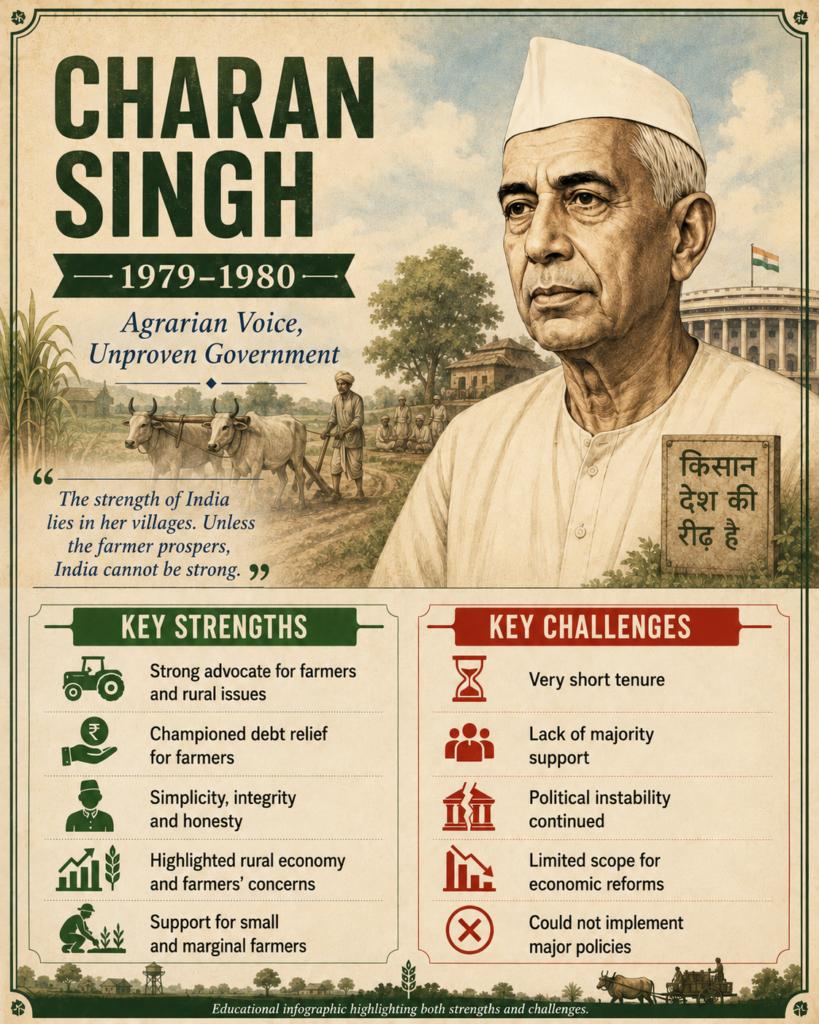
So, did things change for the good? Maybe YES, for some time, before the Boomer generation stopped asking questions again. Coalition was the new normal, but it came coupled with political instability and economic mismanagement.
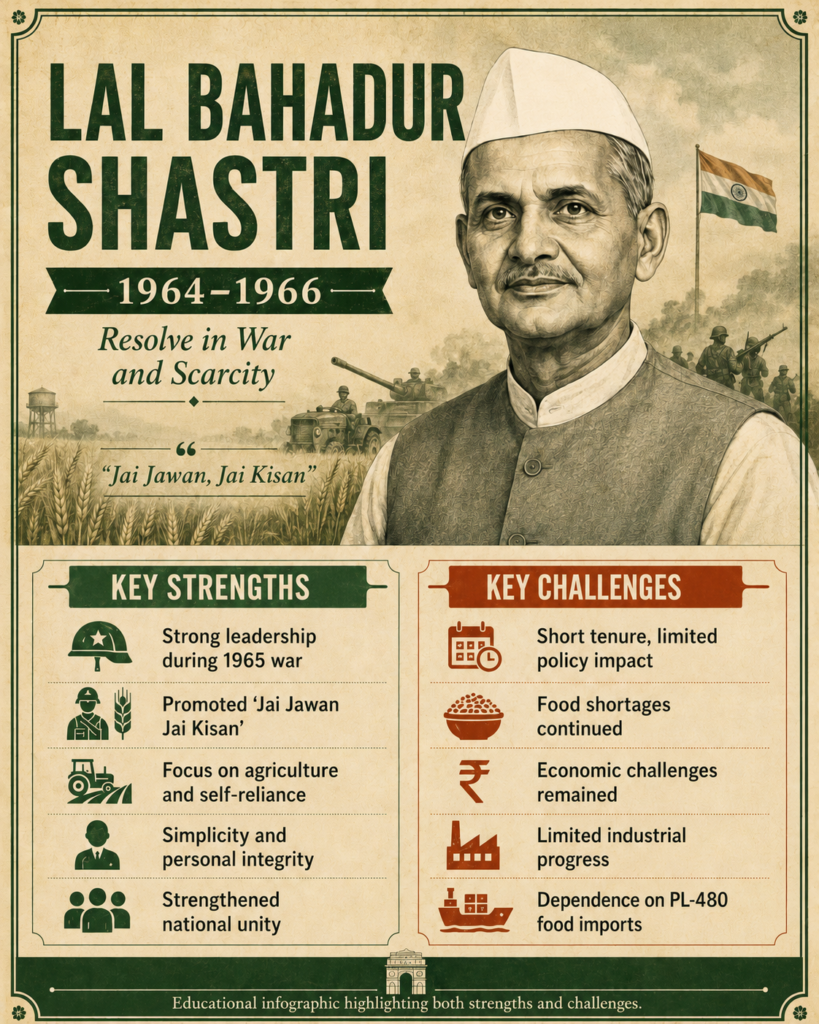
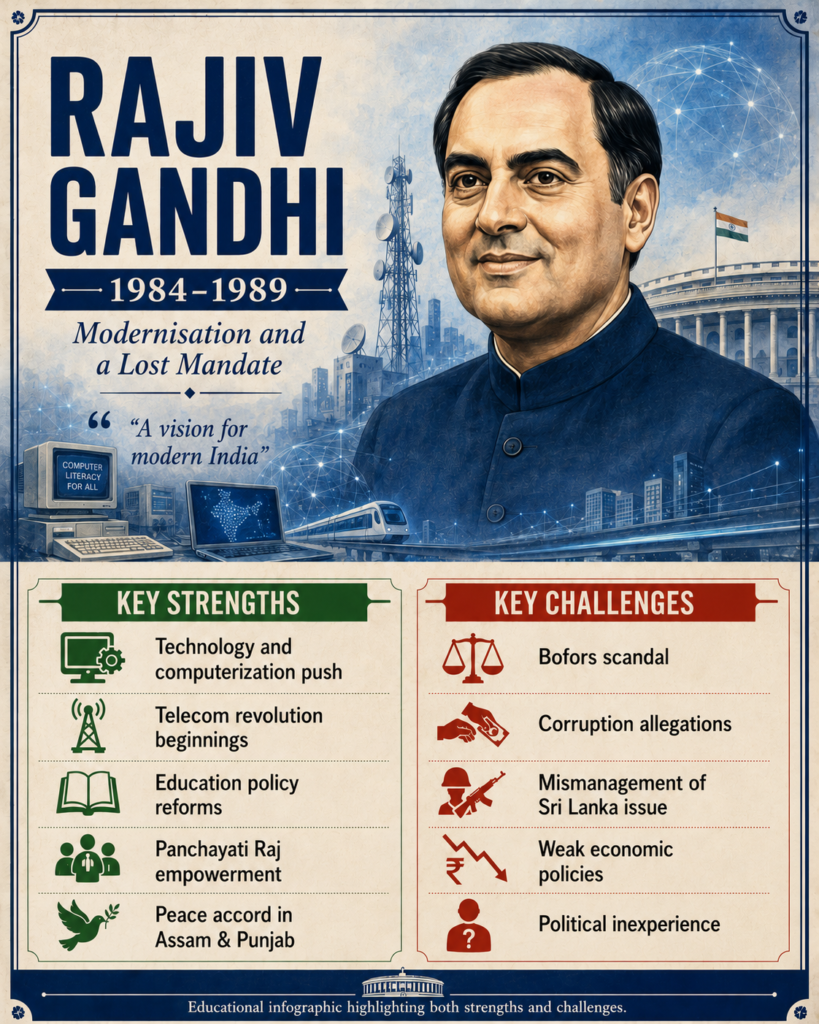
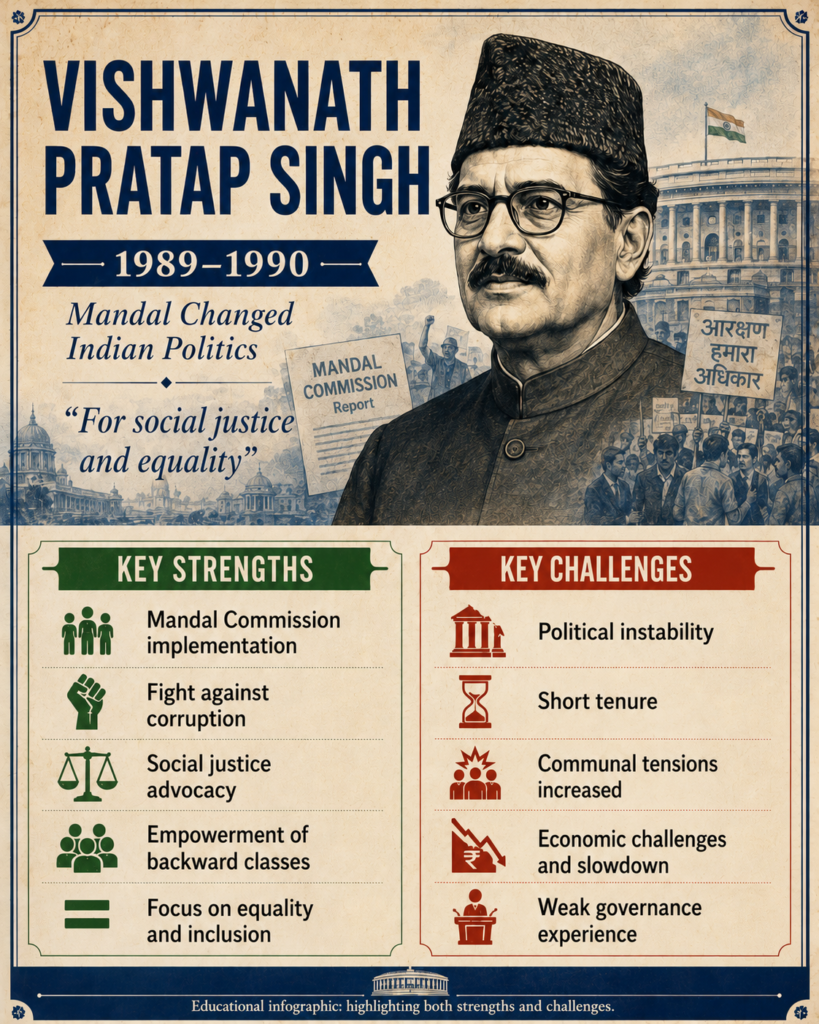
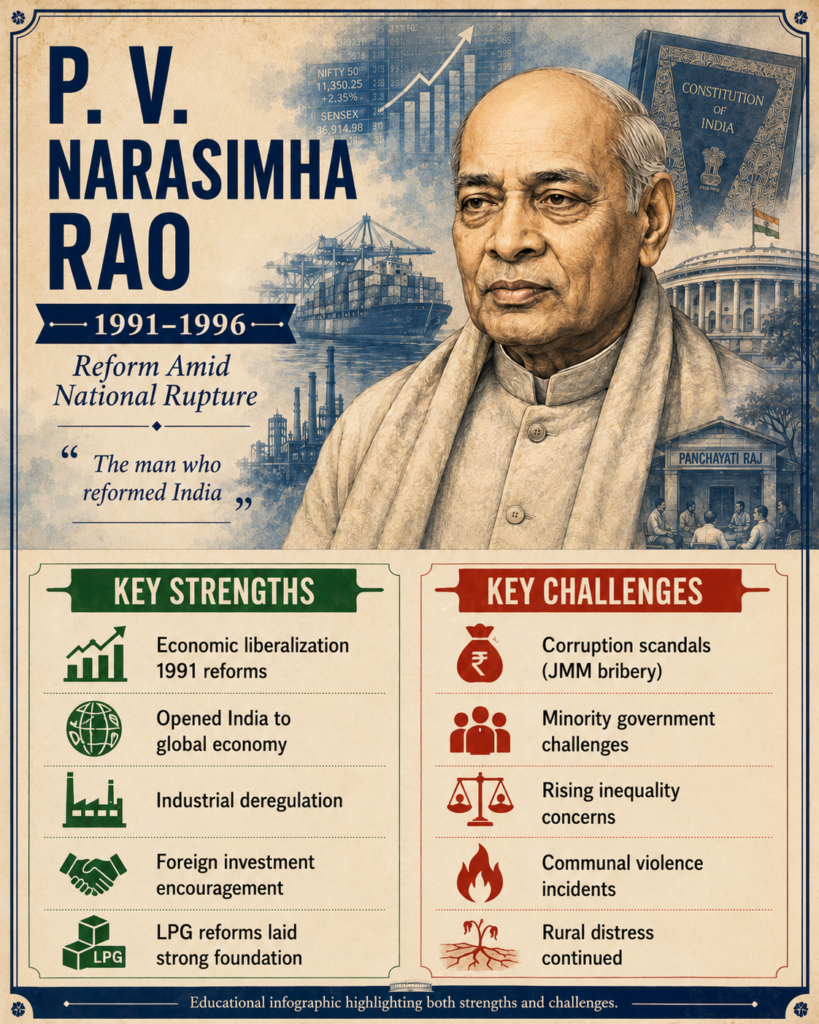
By the time we reached the early 90s, bureaucratic red tape and rampant corruption had already strained the economy beyond its tolerance, prompting the drastic LPG reforms. It opened India to global competitive markets. The rise of capitalism post-reforms emphasized meritocracy over mere literacy, leading to the “Sarva Shiksha Abhiyan” and the Right to Education Act of 2010. It made Education a Fundamental Right under Article 21A of the Indian Constitution. This time around, reforms came not from public agitation but from the failure of the system our democracy relied on.
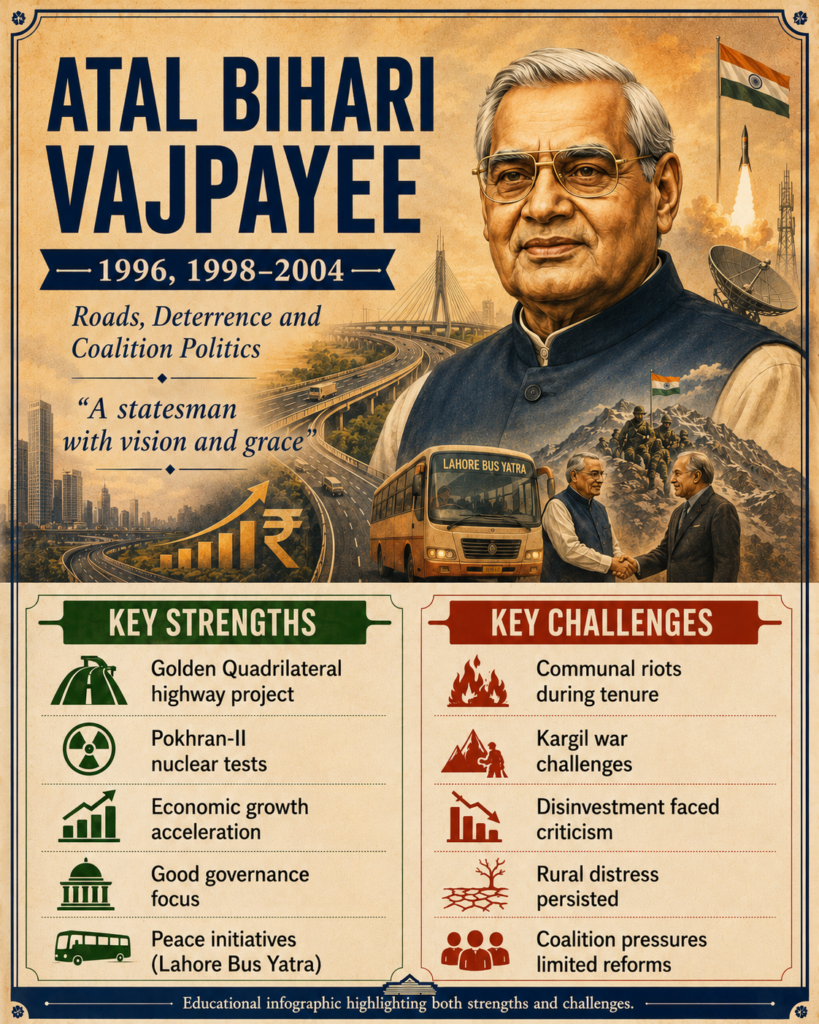
Post-2000s, the Coalition government enriched regional political representation on the national stage. Decisions were slow, but democratic consensus brought confidence in governance. Govt schemes were well written and well researched, as were debates on the floor of the house. Developmental projects were proportionally balanced with environmental concerns. But the question is: if the system was so perfect, why was there a need for a strong majoritarian leadership?
Sure, a coalition has its own benefits; however, it comes with its own drawbacks. Indecisiveness in governance, stemming from excessive political plurality and power decentralization among ministries, delays in project implementation due to a lack of inter-departmental coherence, and other factors paved the way for the desire for a majoritarian government. The Millennial generation aspired to have a decisive, fast, efficient, transparent, and visionary government that understood their aspiration for growth in the new century. But did those expectations see the light of day?
After the formation of a majoritarian government under Narendra Modi, the expectation of basic public infrastructure and good governance with efficient service delivery became a reality and the cause of repeated electoral wins. However, the drawbacks of a majoritarian government are compelling the new Gen Z to opt for more “Informed Representation” at the heart of Democracy—the Parliament. With social media and extensive internet penetration, communication and connectivity have encouraged “Unity in Diversity” through Satire, shared cultural tastes through ethnic trends, and a desire to rediscover India through a progressive lens.
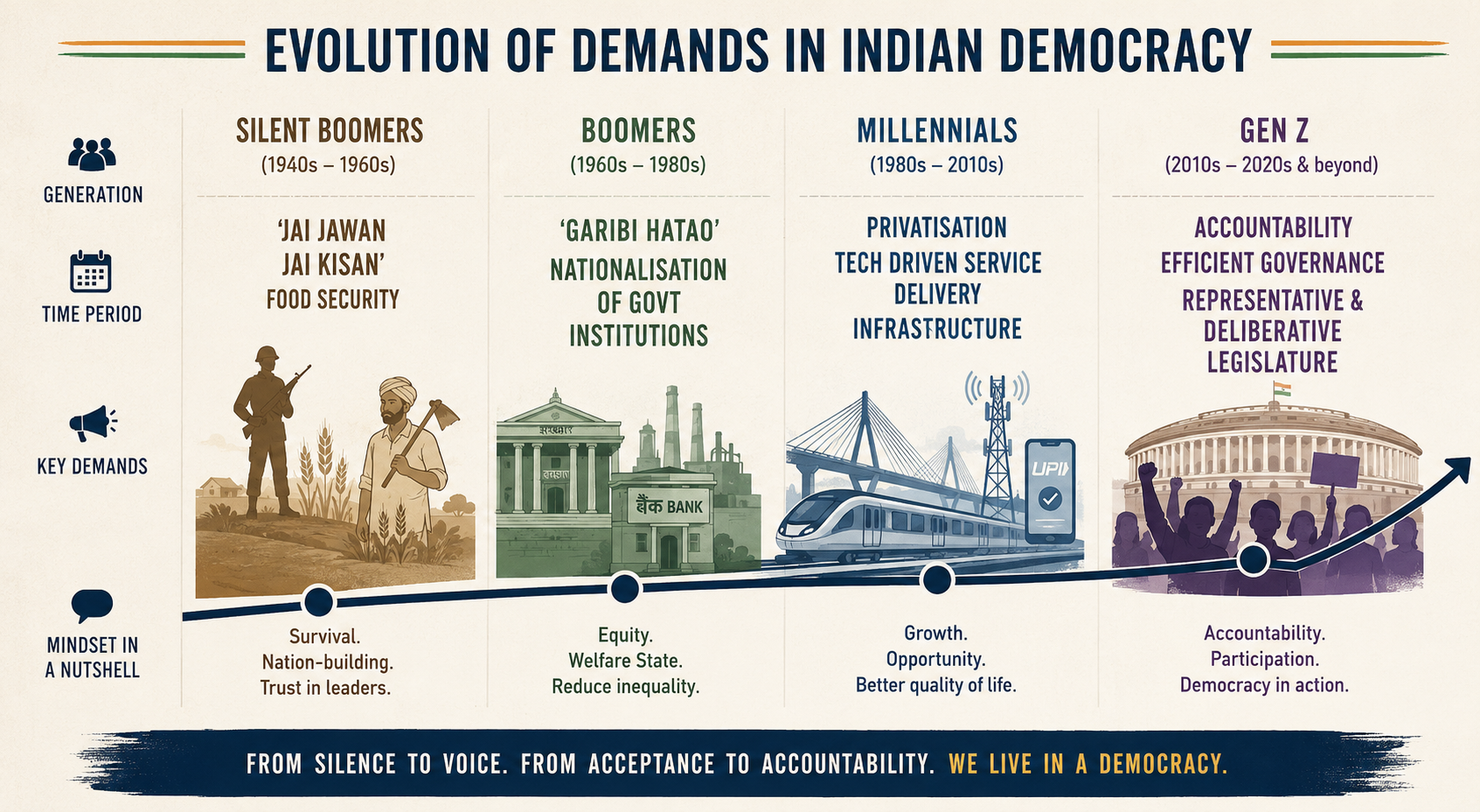
In a fast-paced world of technology, Gen Z desires a more efficient Government that transforms at the speed of the twenty-first century. This also means that their definition of Democracy is evolving from just participation to flexible deliberation and quick representation. This trait was displayed very effectively through the nationwide apolitical protest by young students seeking accountability from the Government regarding Education. The nature of protest and its demands reflected the revival of the culture of pressure groups and civil society, which had been almost negligible under a majoritarian government.
In short, we have come a long way from being a generation who did not question, because it could not understand, to a generation that was satisfied with just electoral options that didn’t exist earlier, to a generation that understood the importance of infrastructure, but did not dare to ask for it, expecting an answer- “funds insufficient”, to a generation that did not care to ask, because its aspiration lied in technology, global markets and educational merits that was in their own control of hard work, finally coming to a generation that decided to say- “enough is enough, we need accountability, because we live in a DEMOCRACY”. That is how education with true knowledge helps drive the evolution of Democracy through generations.